2026-11-04 · 4 min read · New Bedford
The other side of New Bedford: grand Victorian and Gothic homes with a story
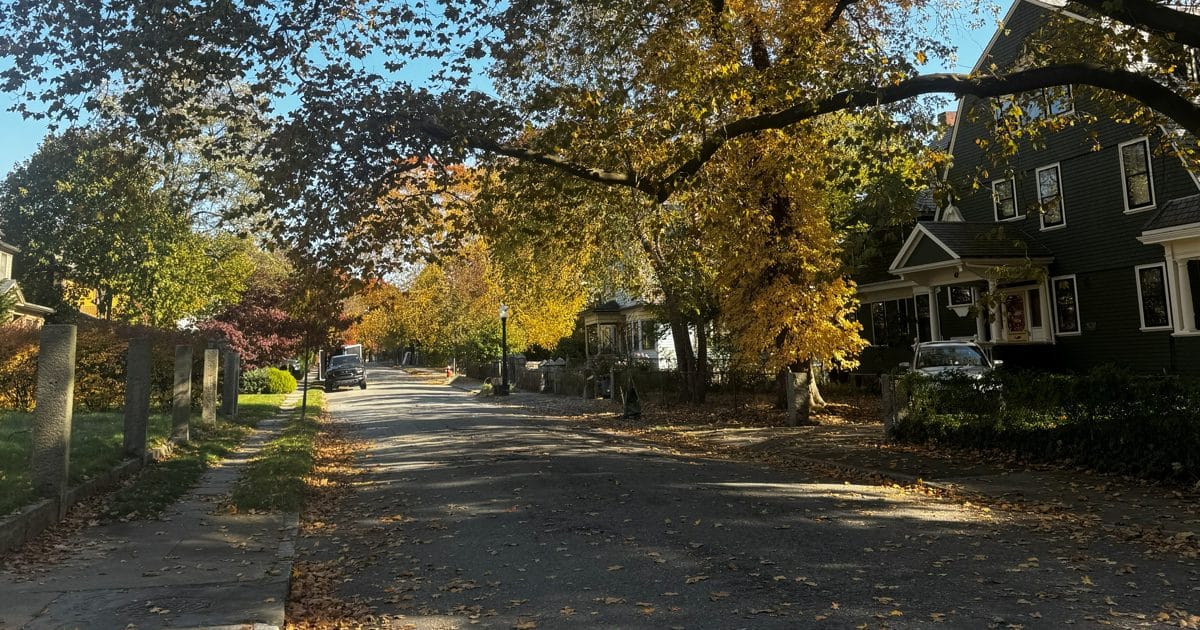
There is another side of New Bedford, and it started with a story.
Walk the tree-lined streets near County Street and you'll find grand Victorian and Gothic homes with steep gables, carved wood trim, wraparound porches, and shade trees older than most of us. Whaling fortunes built them. Many are still lived in today, and many have been lovingly restored.
New Bedford is known for its apartments and its starter homes, and they're a good way into the market. But if you love character, craftsmanship, and a home with a past, this is the New Bedford to see.
Where the money came from
By the middle of the 1800s, New Bedford was one of the richest ports in the country. Whaling brought in the wealth, and the people who made it built homes to show it.
The oldest streets show a different side. Houses east of County Street tend to be plainer. That reflects the beliefs of the late 1700s Quaker merchants and shipbuilders who lived there, who favored simple, unadorned buildings. As the money grew, so did the houses. By the mid-1800s, County Street was lined with grand mansions in a mix of styles.
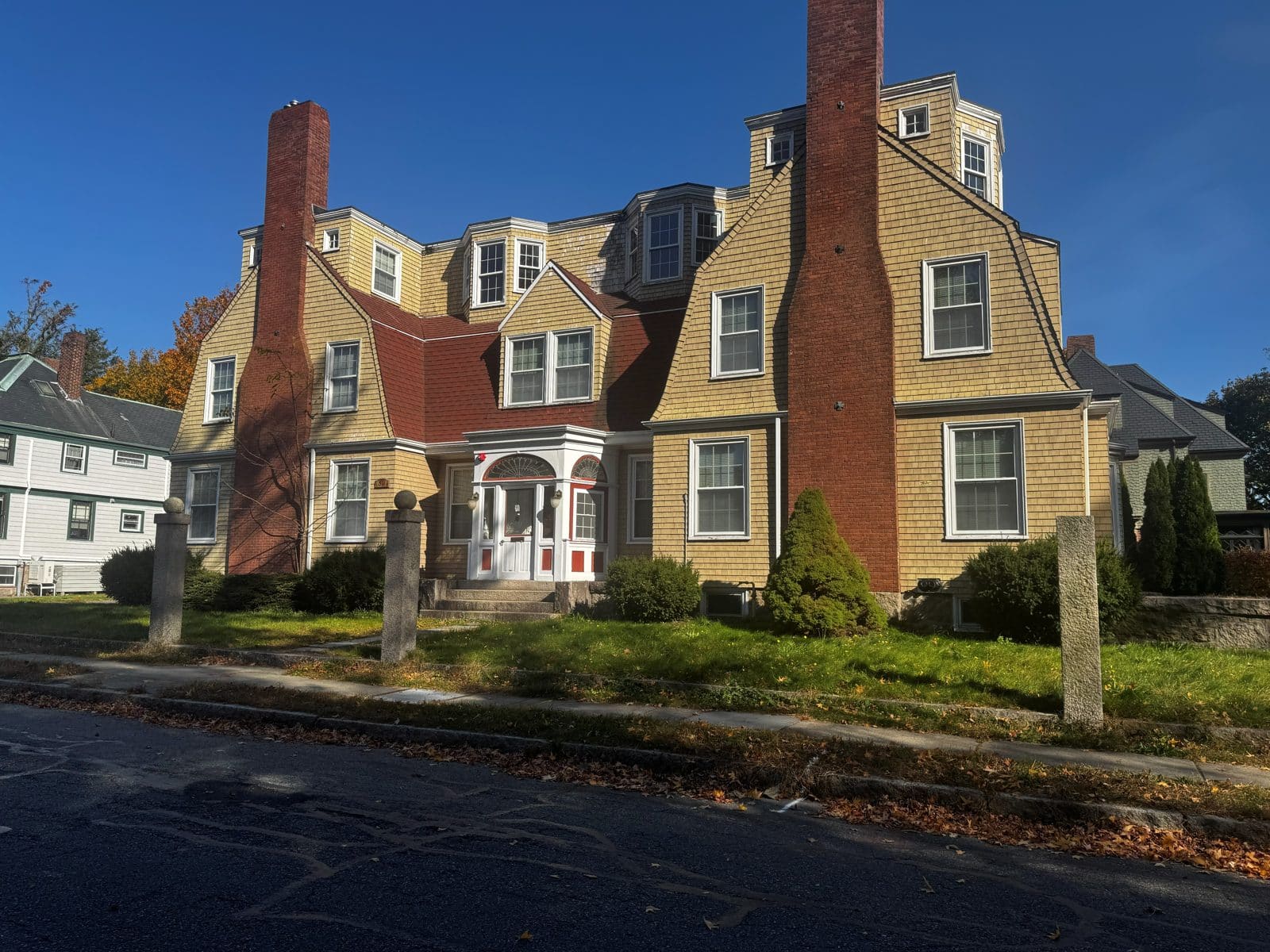
The Greek Revival years
In 1834, a young English-born architect named Richard Upjohn designed a house for William Rotch Jr. at 396 County Street. It's a Greek Revival house: formal, symmetrical, with columns that echo ancient Greece.
Upjohn went on to a famous career. He designed Trinity Church in New York and helped found the American Institute of Architects. The Rotch house is now the Rotch-Jones-Duff House and Garden Museum, a National Historic Landmark. You can go inside.
Another architect and builder, Russell Warren, shaped much of the downtown and County Street area in the Federal and Greek Revival styles. His work includes the Joseph Grinnell mansion at 379 County Street.
What it meant: Greek Revival told the world that a young, confident nation, and a rich city, belonged in the story of democracy and learning. The columns were a statement.
The Gothic Revival homes
Walk further and the mood changes. County Street also has Gothic Revival homes and Gothic cottages. Look for steep gables, pointed windows, and delicate carved wood trim along the roof edges, called bargeboards.
What it meant: Gothic Revival was meant to feel romantic and picturesque. It borrowed the look of medieval churches and cottages and made a home feel like a retreat, close to nature and faith. In a busy whaling city, it was a way to bring a feeling of peace home.
The Victorian styles
As New Bedford's mills grew in the second half of the 1800s, mill owners built their homes farther west, in the popular styles of the day. You'll see:
- Italianate: wide overhanging eaves with decorative brackets and tall, narrow windows. North Bedford is full of them.
- Second Empire: the mansard roof, a steep, flat-topped roof that gives an extra floor of space. Union Street is known for these and for Italianate mansions.
- Queen Anne: towers, turrets, wraparound porches, and a mix of textures and colors. It's the style most people picture when they hear "Victorian."
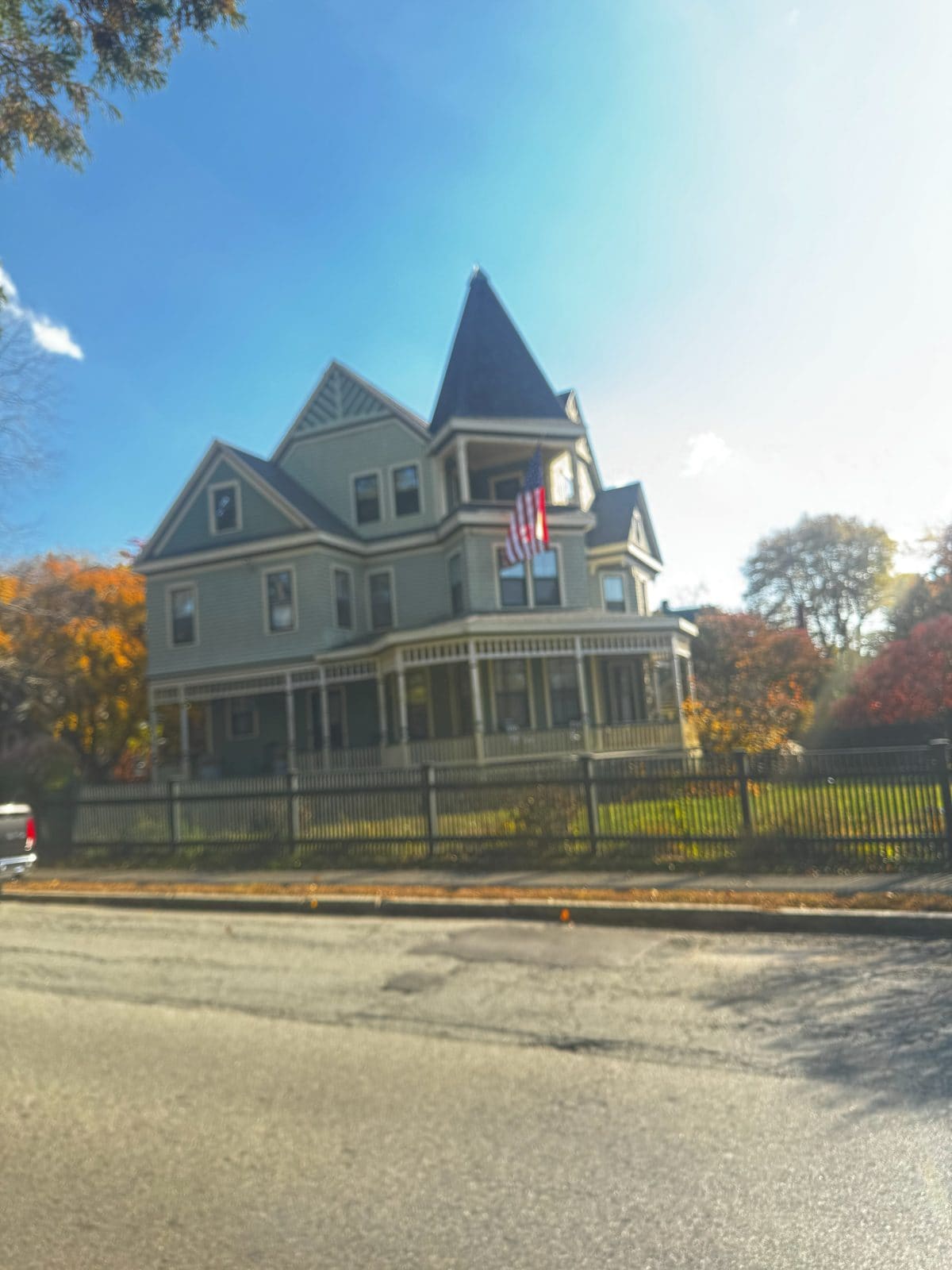
What it meant: These homes were about showing success and taste. More detail, more curves, more windows, and more room to entertain.
Streets worth a walk
Some of my favorite streets for this are Grove Street, Cottage Street, Maple Street, Hawthorn Street, and Ash Street. Many of the homes on them have been restored and preserved, and the neighborhoods often offer walking tours or holiday strolls, so you can see the porches, the trim, and the old trees up close.
If you're thinking of buying one
An old home with a story is a joy. It also comes with homework. Here's what I tell my buyers:
- Get a thorough home inspection. Older homes can have older wiring, heating, plumbing, and roofs. A long report isn't a bad sign. It's information. I explain more in A home inspection is not a pass or fail.
- Ask about historic district rules. Some of these homes are in historic districts, and changes to the outside may need approval from the city's historical commission. Ask before you plan a porch, a window change, or new siding.
- Check the flood zone and the insurance. Older homes near the water may sit in a flood zone, and insurers look closely at age and condition. See Buying near the water? Check the flood zone before you write an offer.
- Look at the details. Original woodwork, built-ins, and stained glass add value and charm, and some of them need special care.
- Know what you're taking on. An older home is a relationship. Most owners tell me it's worth it.
See them for yourself
You don't need to be buying to enjoy it. The New Bedford Whaling National Historical Park runs a walking tour of the historic district, and the Rotch-Jones-Duff House and Garden Museum lets you step inside one of the area's landmark homes. Check each one's current hours and tour details.
Next, step inside: Luxury in New Bedford: restored Victorian homes with the details that matter.
I'm not a historian or an architect, and this isn't preservation or legal advice. A home inspector, your insurance agent, and the city's historical commission can tell you about a specific house.
I'm Sheri Francis with BOLD Real Estate, and I work with buyers and sellers across the Massachusetts South Coast. Curious about homes with character in New Bedford, or thinking of selling one? Call me at (508) 916-0623. I'll walk you through the streets, the styles, and what it takes to own a piece of the city's story.
Sheri